
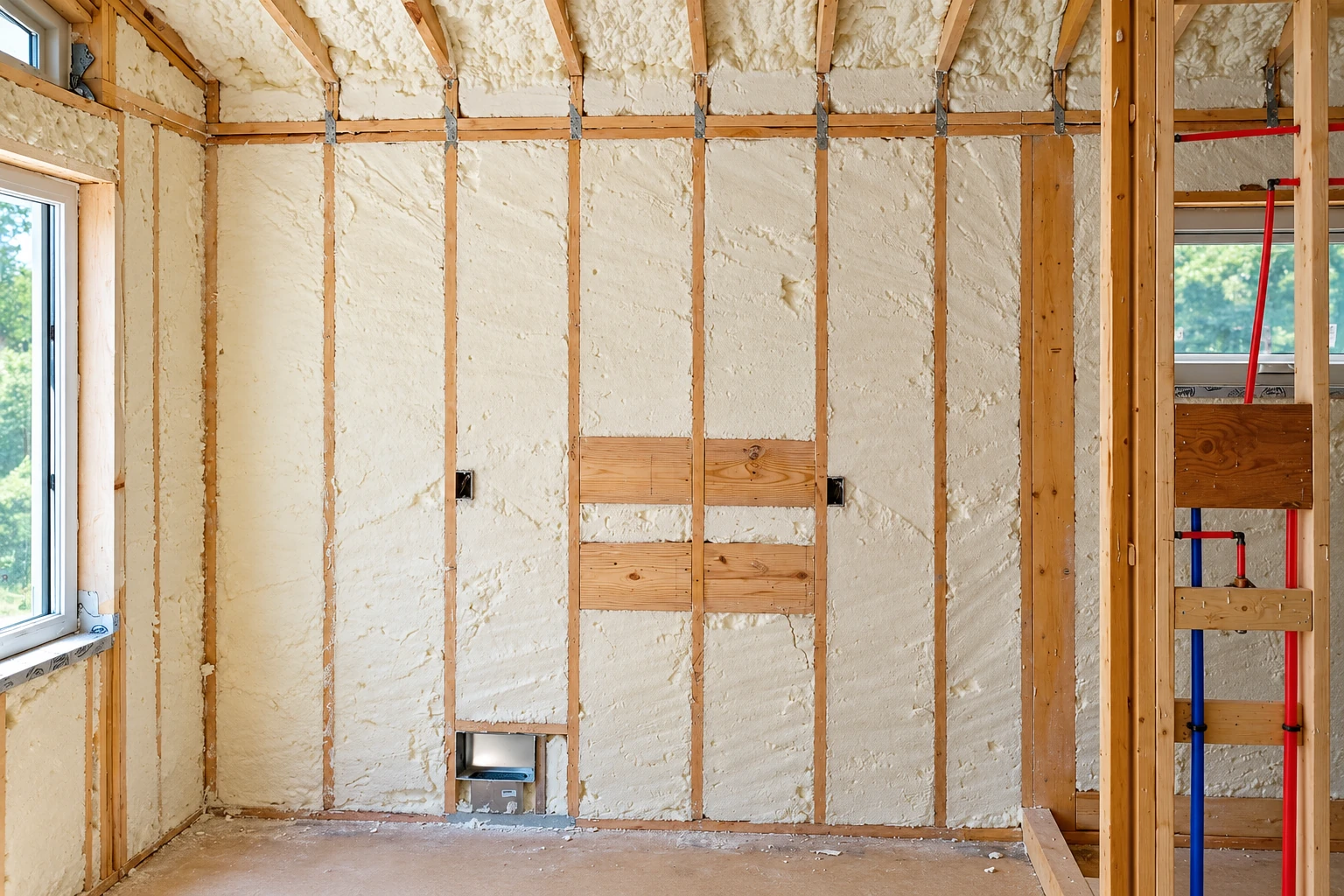
Attic air sealing in El Paso TX - gaps closed before the insulation goes in
Hot upstairs rooms and a drafty hatch usually mean air is slipping through the attic floor. We find those gaps and close them.
Have your attic looked at first
We take calls at (915) 265-1142 seven days a week, so it's easy to set a time for me to look at the attic before your insulation plans go any further.
What does attic air sealing do, and when should it happen?
Attic air sealing in El Paso, TX closes the gaps in your attic floor around recessed lights, plumbing pipes, heating and cooling registers and the attic hatch, so less air passes between your rooms and the attic.
Most calls start with an upstairs that won't cool down, a drafty hatch or a power bill that keeps creeping up, often from someone already thinking about attic insulation. Sealing is the part that comes first, and I'd rather plan it before anyone climbs up there than find a problem halfway through. The price moves with how many openings your attic floor has, how much room there is to work and whether old insulation has to come out first. The schedule mostly turns on any repair that has to happen before we seal, and your written estimate lays out both.
Why El Paso homeowners call Wraptight for attic air sealing
I look at every attic myself
I come out to every job and write the estimate myself. Our installers do the work, and I check it before we leave, while a missed gap is still easy to reach.
Trained on a municipal crew
I learned this trade keeping city buildings sealed, where every job was written up and checked before sign-off. I started this business in El Paso in 2023 to bring that care to homes.
Licensed and insured, permits handled
Rules differ between El Paso, the county areas and the New Mexico cities, so I check your address with the right office. When a permit applies, we handle the application and the inspections.
On an attic, what matters most is what I find before the sealing starts. Set up a time for me to come look.
How we do attic air sealing
I go through the attic first and write down anything that has to be fixed before sealing, so nothing gets buried. On the day, our crew moves the existing insulation aside where it covers a gap and seals around the lights, pipes, registers and the hatch before any new insulation goes over them. Soffit, ridge and gable vents stay open, and so does any combustion air duct, the opening that feeds air to a gas appliance. We seal around those openings, not over them, because they only work when air can move through them, and a buried vent lets moisture build up in the framing.
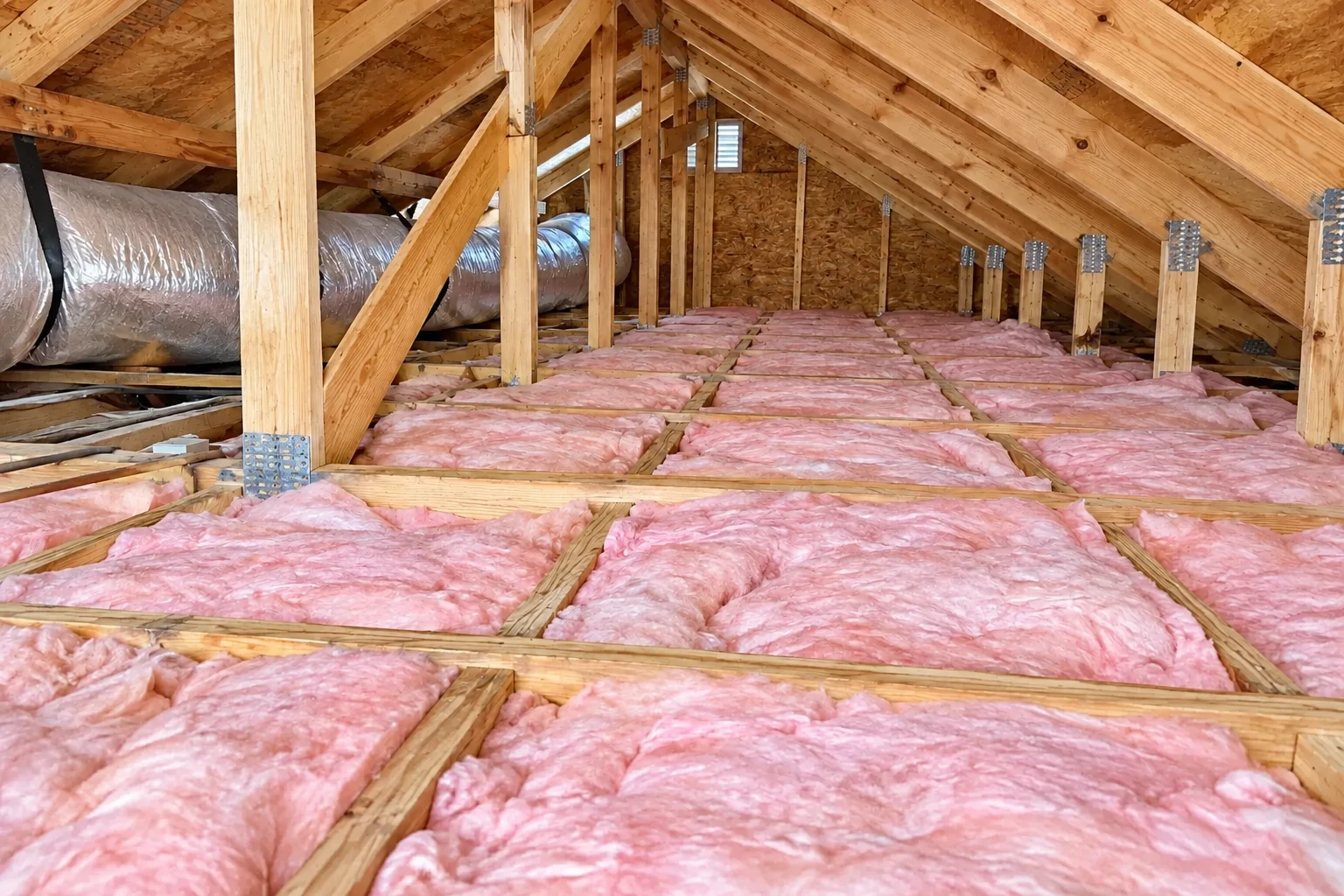
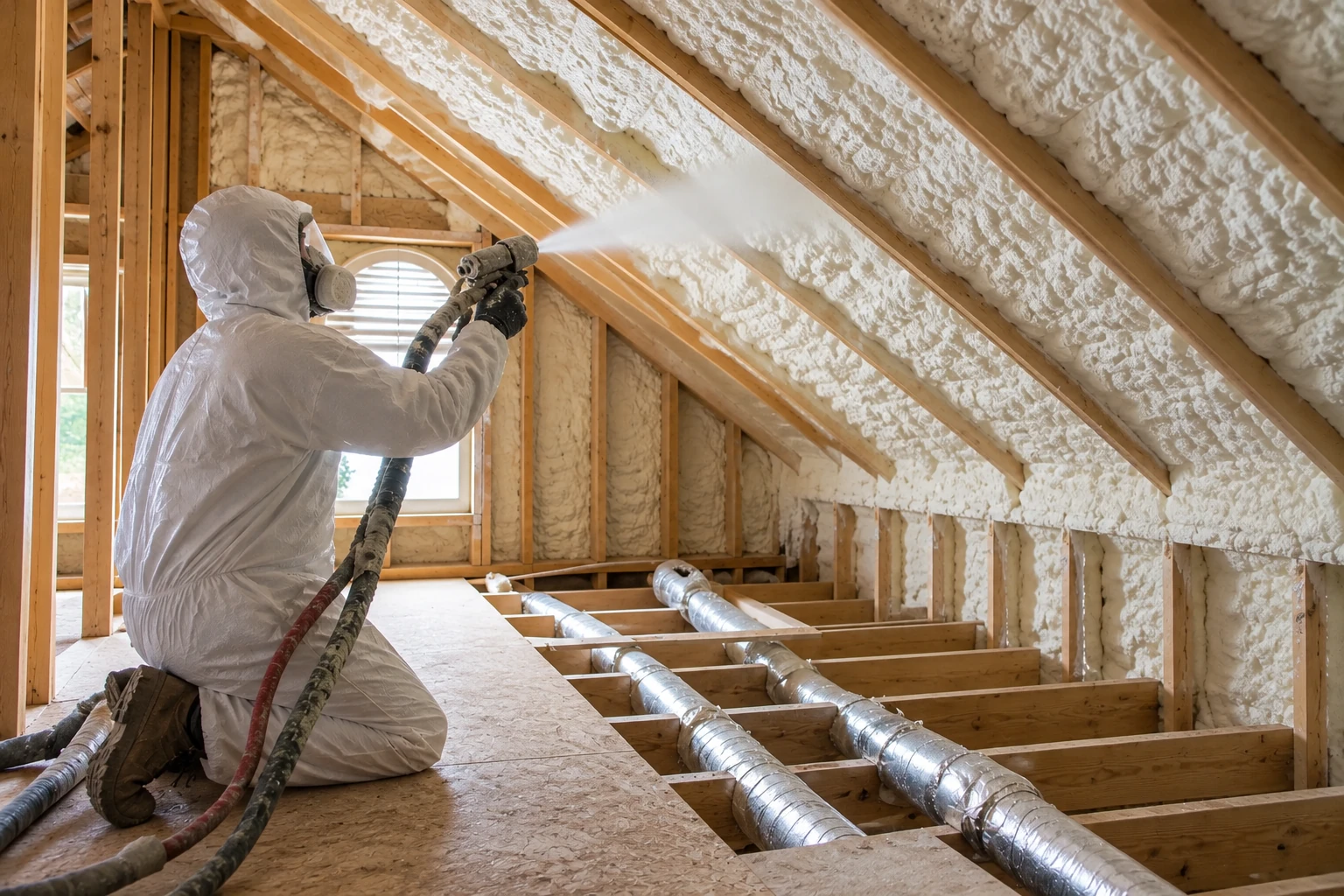
Once the gaps are closed, most attics are ready for retrofit insulation, which adds to what's already up there. Sealing and then topping up with loose fill usually gives you the most for the money, but if your ductwork runs through the attic I'd look at spray foam insulation, which costs more and seals the air while it insulates.
Sealant for small gaps
Cracks around pipes, wires and register boots get a bead of flexible sealant. A small gap only needs a seal that moves with the house, and sealant does that without adding bulk.
Foam or blocking for larger openings
Bigger holes, like the open top of a wall or the space over a dropped ceiling, get spray foam or a rigid board cut to fit. Sealant alone can't span a gap that wide.
How can you tell your attic is leaking air?
Hot rooms upstairs
The upstairs or the room over the garage stays hot long after the rest of the house cools. Attic air is usually getting in through gaps, and the AC keeps running until it's fixed.
Dark streaks on insulation
Dark streaks on the insulation around lights or pipes are dust caught as air moves through. That gap is open now, and new insulation laid over it just filters more dirt.
A drafty attic hatch
You can feel air or see light around the hatch or pull-down stairs. It's often the largest single opening in the ceiling, and it leaks whenever the system runs.
A power bill that keeps climbing
The power bill climbs while your habits stay the same. Cooled air is usually escaping into the attic, and every month you wait you're paying to cool that attic.
What happens after you call us about attic sealing?
Book a visit to your attic
Call or use the form, and we set a time for me to come out. I go through the attic and write an estimate listing each step, repairs first.
Our crew seals from the list
On the day of the job, our installers work from the written list and seal each gap before anything covers it. Clearing a path to the hatch saves time that morning.
Walk the finished work together
Before we leave, I walk the finished work with you and check each gap on the list against what was done. You see what was sealed while it's still in plain view.
Attic air sealing questions
Here are the questions that come up before an attic gets sealed. If your house has something these don't cover, ask me about it when I come out.
Should I seal my attic before adding insulation?
Yes, seal first, because federal guidance puts the sealing of the major attic leaks ahead of new insulation while those leaks can still be reached. Once insulation is blown over them, the gaps around lights, pipes and the hatch are buried and hard to get at. If you're planning new insulation, book the sealing as the first part of that job.
How do I know if my attic is ready for air sealing?
Your attic is ready once a few problems are dealt with, and one federal guide says sealing waits when there's active knob and tube wiring, the old wiring run on porcelain knobs, vermiculite insulation or bathroom fans that vent into the attic. The same guide also holds off while the roof leaks or the house has an unvented kerosene heater or gas fireplace. If I find any of these, I'll tell you the sealing waits for that repair rather than seal over it.
Is attic air sealing safe with a gas furnace or water heater?
It can be, but a tighter house can let carbon monoxide build up if a gas appliance isn't venting properly, so the venting needs a check after the work. ENERGY STAR's guide suggests having a heating and cooling technician check the furnace, water heater and dryer for proper venting once the sealing is done. That check belongs to another trade, so plan it for right after we finish.
How much does attic air sealing cost in El Paso?
We price each attic after I've gone through it, because the number of gaps, the room to work and any repair that has to come first all change the job. Adding insulation in the same project changes it too, and the written estimate shows each piece. If your household income is at or under 80% of the annual median family income, AYUDA El Paso's Weatherization Assistance Program lists an energy audit, attic insulation and patching holes in the home's outer shell, so it's worth checking whether you qualify.
Where do I get a building permit for attic work in El Paso?
Building permits in El Paso go through the city's One Stop Shop, and the city requires one to construct, enlarge, alter or repair a building. Whether a sealing job falls under that is the city's call, and I ask before we schedule your work.
How do I know the attic air sealing actually worked?
Ask whether the crew runs a blower door, a fan test that finds where the house leaks, before and after the work. Comparing the two tests shows how much the sealing cut the air moving through those gaps. It's a fair question for any contractor, us included, and I'll answer it at the estimate.
Get a written attic sealing estimate
Tell us about planned insulation, gas appliances and roof leaks, and we'll reply within one business day to set a time for me to come out. The estimate is free, done on site and comes with no obligation.
Attic sealing work up close
Work that often follows sealing
Retrofit insulation
If the insulation already in your attic is thin or settled, adding more on top is the usual next step once the leaks are closed.
Learn moreSpray foam insulation
When ducts run through the attic or you want sealing and insulation in one layer, foam is worth weighing against loose fill.
Learn more