
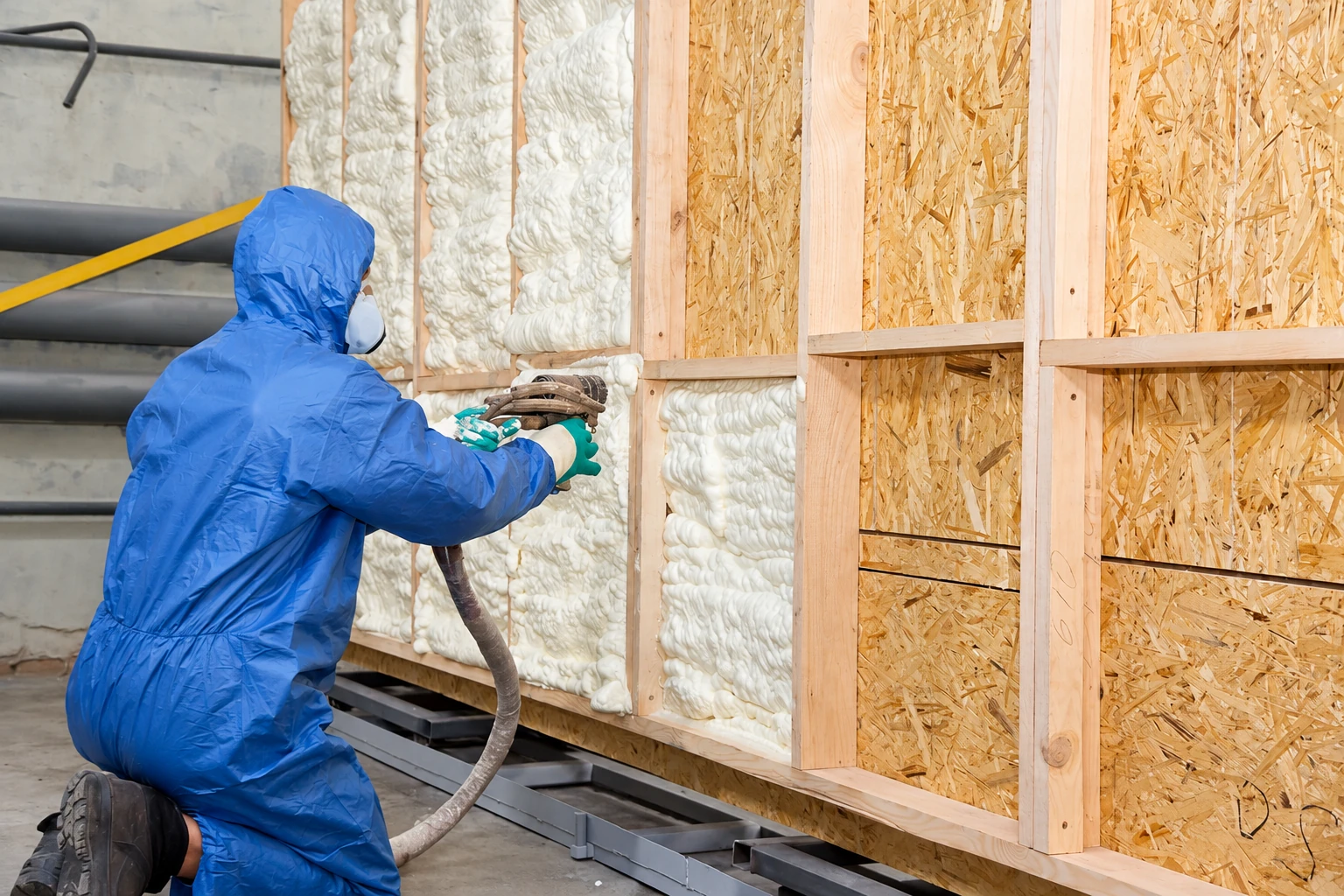
Closed-cell foam insulation in El Paso TX - dense foam that seals out air and moisture
Room over the garage too hot, or a damp crawl space? We spray rigid foam that insulates, seals the gaps and holds back moisture.
Have me check your attic before anyone sprays
Call (915) 265-1142 or use the form, because finding a leak or a bad wire before the foam goes on is a lot easier than cutting into cured foam to reach it later.
Is closed-cell foam insulation worth it in El Paso?
Closed-cell foam insulation is a dense spray foam that insulates, seals air leaks and blocks moisture in one rigid layer, and for El Paso homes it earns its higher price where space is tight, moisture is a worry or the ducts sit in the attic.
Most people asking about it are weighing it against cheaper insulation, and the right call depends on your house. The price moves with the area we cover and how deep we spray, whether old insulation or a repair has to come first, and how easy the space is to reach. The schedule turns on those repairs and on the time your family has to stay out while the foam cures. I write every estimate with each step listed, so you can see where your number comes from before you decide.
Why El Paso homeowners call Wraptight El Paso Insulation Company for closed-cell foam
The owner writes every estimate
I come out to every job myself and write the estimate, so the person who quoted it answers for it. Our installers work from that list, and I check their work before we leave.
Trained on a municipal crew
I learned this trade on a city crew, where every job was written up and checked before sign-off. We've done El Paso homes that way since 2023, so nothing gets covered before it's been checked.
Licensed and insured on site
We're licensed and insured. If something goes wrong while our installers are working in your attic, walls or crawl space, you aren't the one left carrying it.
On closed-cell work, the order matters most, so the space gets checked and fixed before any foam goes on. Ask for an estimate or call (915) 265-1142.
How we install closed-cell foam insulation
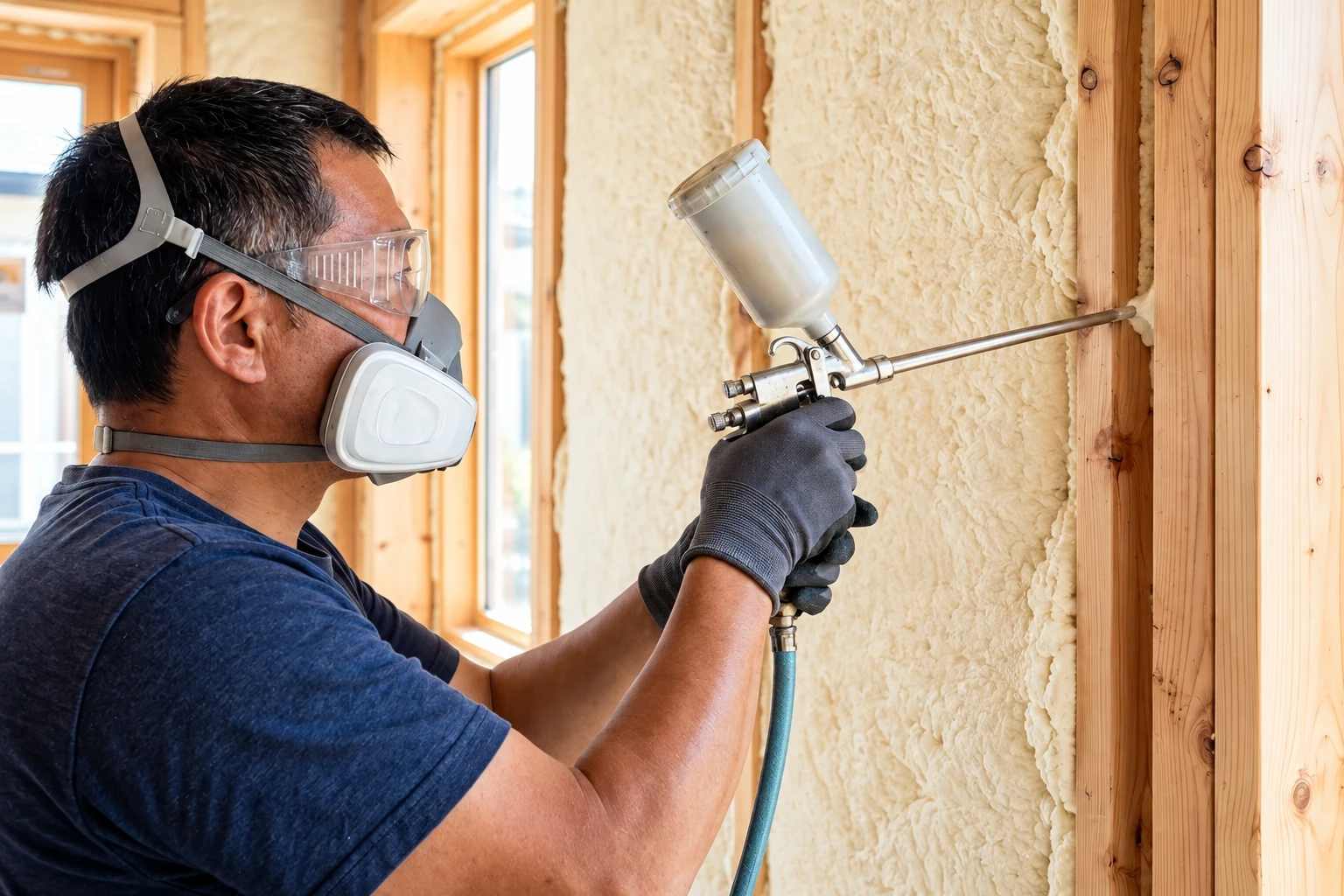
I start by deciding whether closed cell is the right foam for the space. It makes sense where space is tight or moisture is a worry, and when open cell would do the job for less, I'll tell you. Next I note anything that has to be fixed first, like a roof leak or a wire that needs an electrician, because foam sprayed over a problem just hides it. If a furnace or water heater draws its air from the attic, we plan that change into the job before we spray. On the day, our crew clears the work area, covers what shouldn't get foam, sprays the depth the estimate lists and cleans up.
Closed cell often covers only part of the house. Where there's room for a thicker layer and moisture isn't the concern, open-cell foam insulation fills the space for less, and plenty of homes end up with both. Property managers and owners of shops and small offices can bring us in for commercial insulation, planned and checked the same way.
Under the roof, ducts included
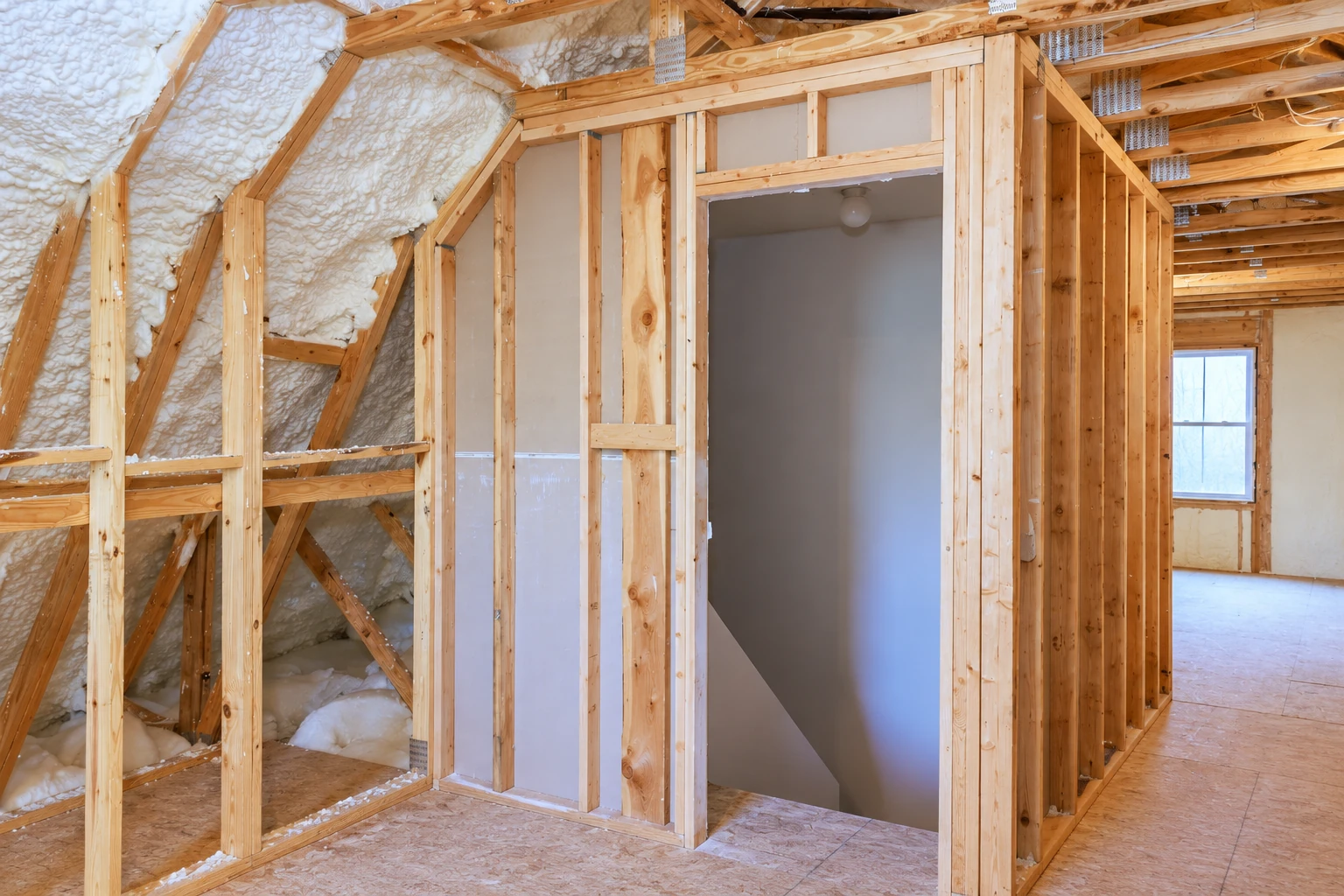
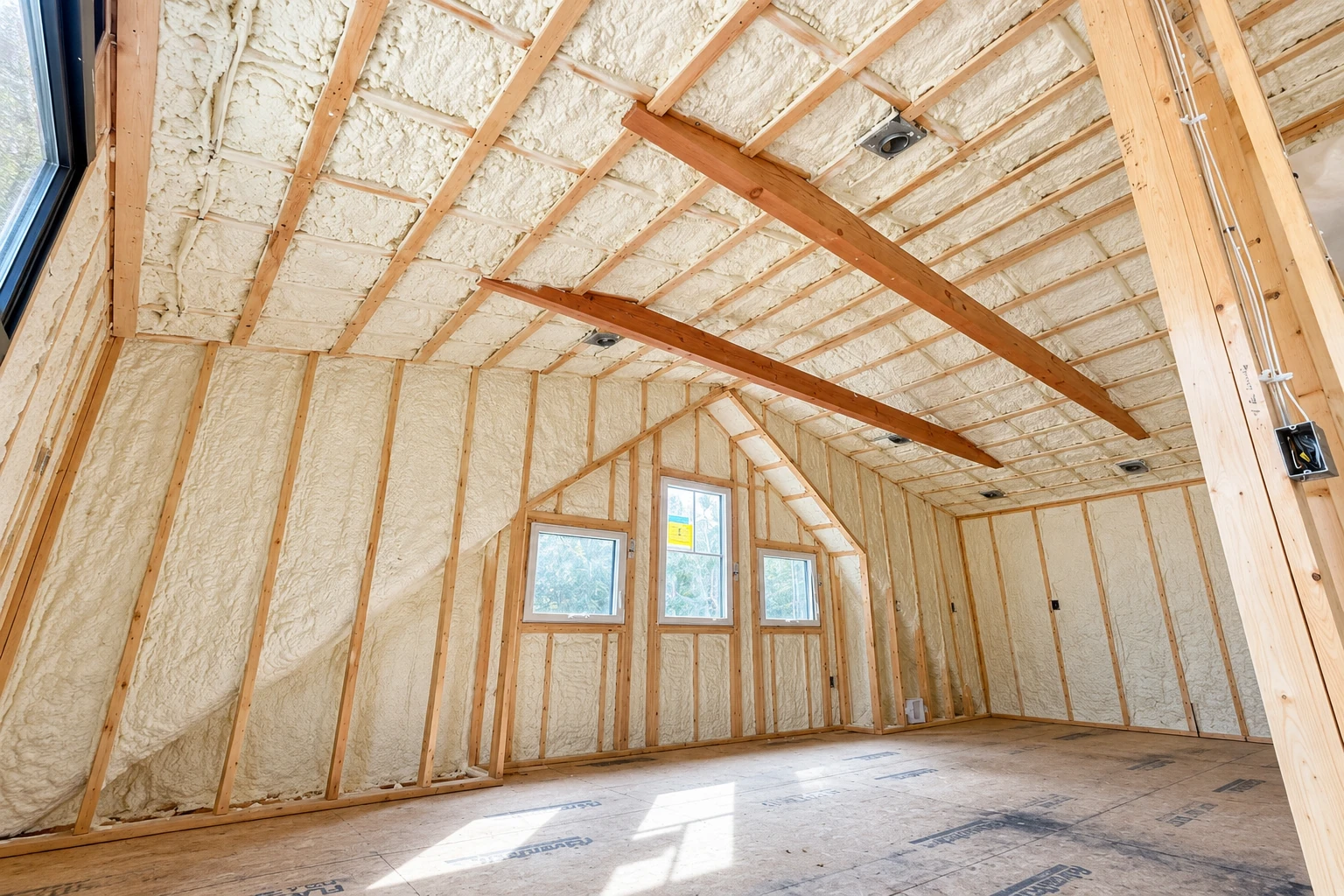
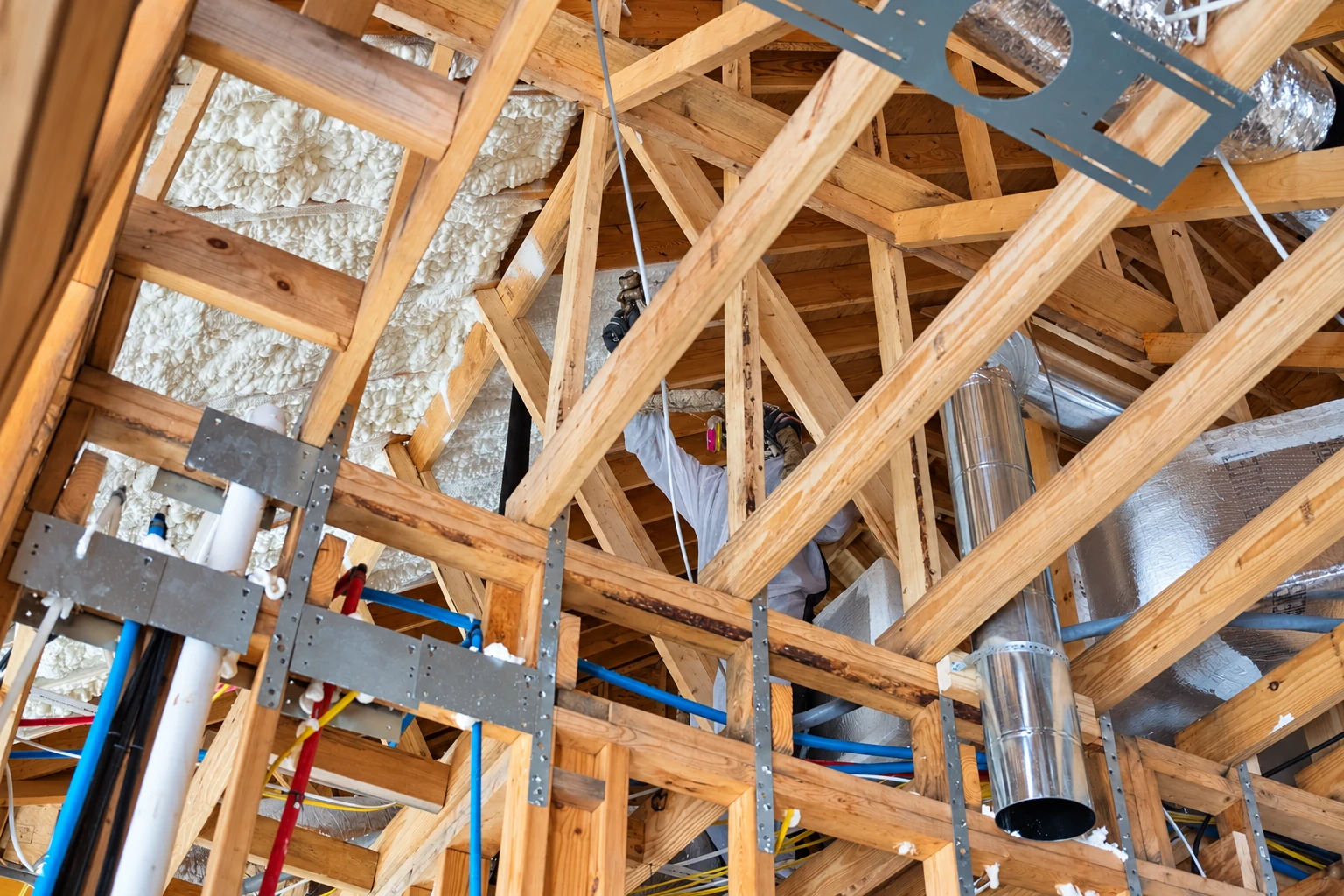
We spray the underside of the roof so the attic sits inside the insulated part of the house, which suits homes where the ductwork lives up there. If the ducts aren't in the attic, sealing the gaps and topping up loose fill usually costs less and does the job.
Tight ceilings, walls and crawl spaces
Cathedral ceilings, framed walls and crawl space walls leave only a few inches to work with. Dense foam gets more out of each inch there and holds back damp air coming up from below.
How can you tell your house could use closed-cell foam?
Hot room over the garage
That room runs hot all summer and cold in winter. It usually means thin insulation and open gaps in a tight ceiling or floor, and the power bill pays for it every month you wait.
Upstairs never cools down
The AC runs hard but the second floor stays warm. When the ducts sit in the attic, they're carrying cool air through the hottest space in the house, and every summer adds to the bill.
Musty smell under the house
A damp smell or wet spots in the crawl space mean moisture is getting in. Left alone, it soaks whatever insulation is there, draws pests and starts working on the wood framing.
Cold floors and drafty edges
Cold floors and drafts along the baseboards usually come from gaps in the framing around the floor's edge. Insulation laid over a draft does little until that gap is sealed.
What happens after you call about closed-cell foam in El Paso?
Walk the house and estimate
After you call or write, I come out, go through the attic, crawl space or walls and note any repair needed first. Your written estimate lists each step.
Our crew sprays from the list
Our installers work from that list, prep first. Plan for your family and pets to be out of the house while the foam goes on and cures.
Walk the finished work together
I check our installers' work, then walk it with you before we leave. You see each item on the list done and the work area cleaned up.
Closed-cell foam questions we hear
These are the questions El Paso homeowners ask most before they book closed-cell foam. If your house has something these don't cover, ask about it at the estimate.
How much does closed-cell spray foam insulation cost in El Paso?
Closed-cell spray foam in El Paso usually costs about $0.90 to $1.40 per board foot, which is the going rate in the area and not our quote. A board foot is one square foot of foam one inch thick, so a deeper layer over the same area uses more of them. Your written estimate shows the depth and area for your house.
Is closed-cell foam better than open-cell foam for an El Paso house?
Closed-cell foam insulates almost twice as well as open-cell foam at the same thickness, at a typical R-value, meaning how well it slows heat, of about R-6 per inch. At typical thickness it also works as a vapor retarder, so moisture doesn't pass through, and it can add water resistance and some strength to walls and roofs. One energy code guide lists El Paso in climate zone 3, the zone that sets how much insulation the code expects here.
How long do I have to stay out of the house after closed-cell spray foam?
Federal product safety staff advise leaving the house during the spraying and for at least 24 hours after. Federal environmental guidance adds that your re-entry time, when you can come back in, waits until the foam has cured and the house has been aired out and cleaned, so line up a place for the kids and pets ahead of time. Ask me to walk you through our safety steps at the estimate.
How do I handle a gas furnace or water heater in the attic before spray foam?
You plan to change it, because one foam maker's guide says a standard fuel-burning appliance that pulls its air from the attic can't run safely once the attic is sealed. That guide calls for sealed-combustion or power-vented equipment, which gets its air another way, and the swap is work for your heating or plumbing contractor. Tell me what's up there when you call so it goes into the plan.
Do I need a permit for closed-cell foam insulation in El Paso?
It can need one, so I check your address before we schedule. The City of El Paso requires a building permit to construct, alter or repair a building, and its One Stop Shop takes those applications, with the International Residential Code and the International Energy Conservation Code on the city's code list. Rules differ in the county areas and the New Mexico cities we work in, and when a permit applies, we take care of the application and the inspections.
How do I get my attic ready for closed-cell spray foam?
Move anything you've stored up there and let us know about any fuel-burning equipment, and our crew handles the rest of the prep. One foam maker's guide says the attic floor has to be vacuumed before spraying, since old insulation is often full of dust, debris and sometimes rodents, so dirty or wet material comes out before any foam goes on.
Get a written closed-cell foam estimate
Tell us where you want foam and whether a furnace or water heater sits in the attic. We reply within one business day to set up your free on-site visit, with no obligation.
What closed-cell foam looks like
Other insulation work we do
Open-cell foam insulation
If your attic or walls have depth to fill and stay dry, open cell gives you the air seal at a lower cost.
Learn moreCommercial insulation
Running a shop, office or rental building? We plan and check commercial jobs from the same written list.
Learn more