
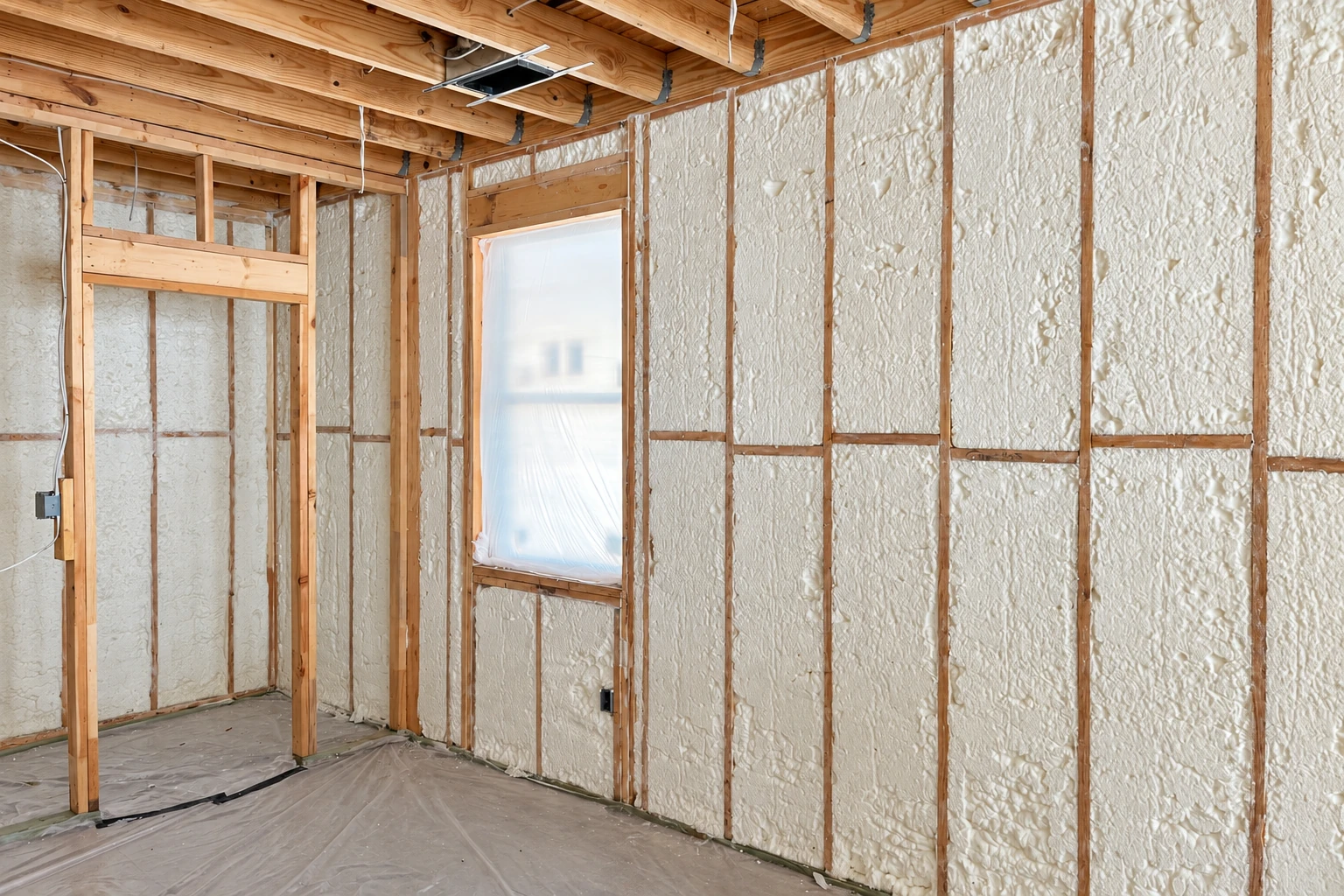
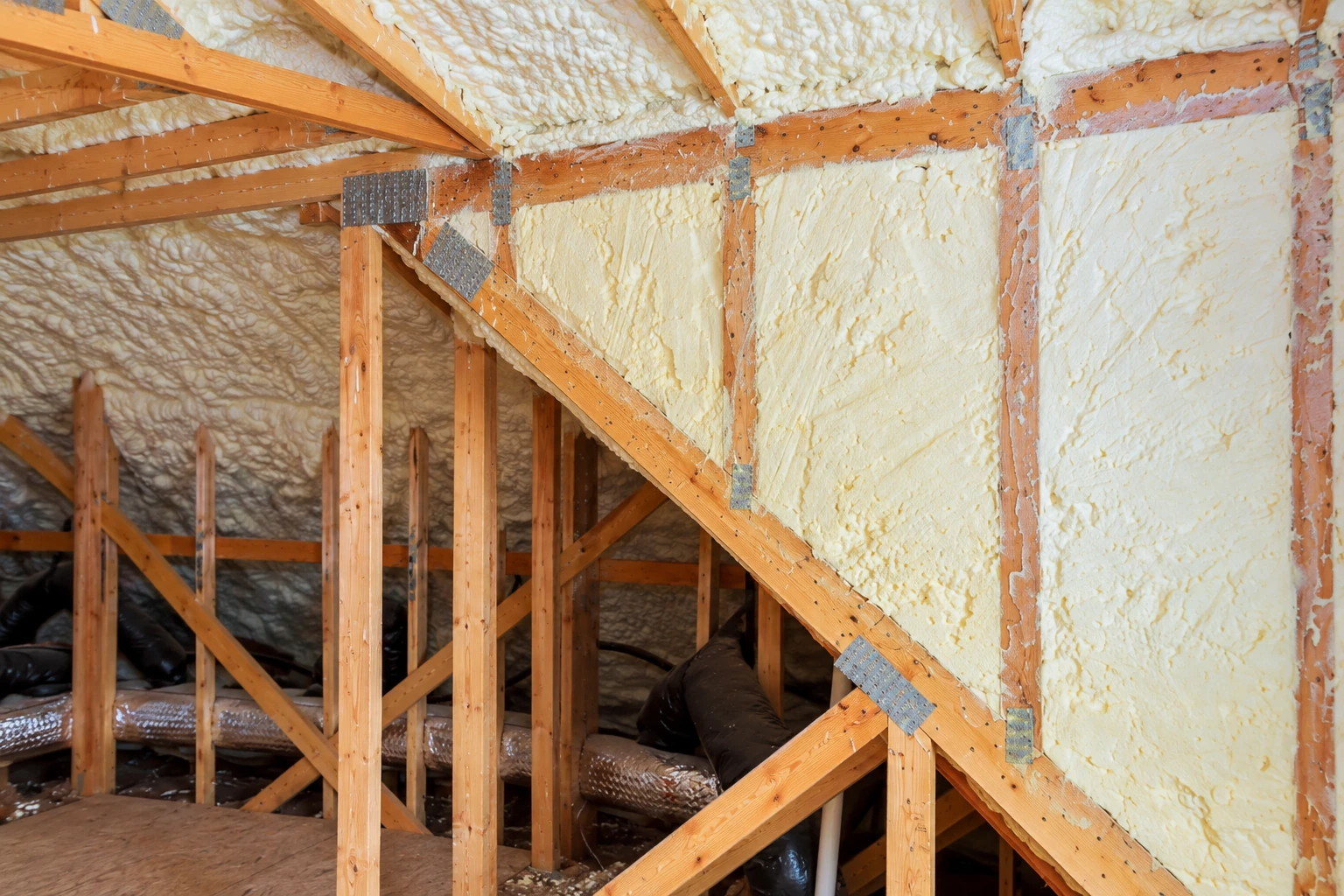
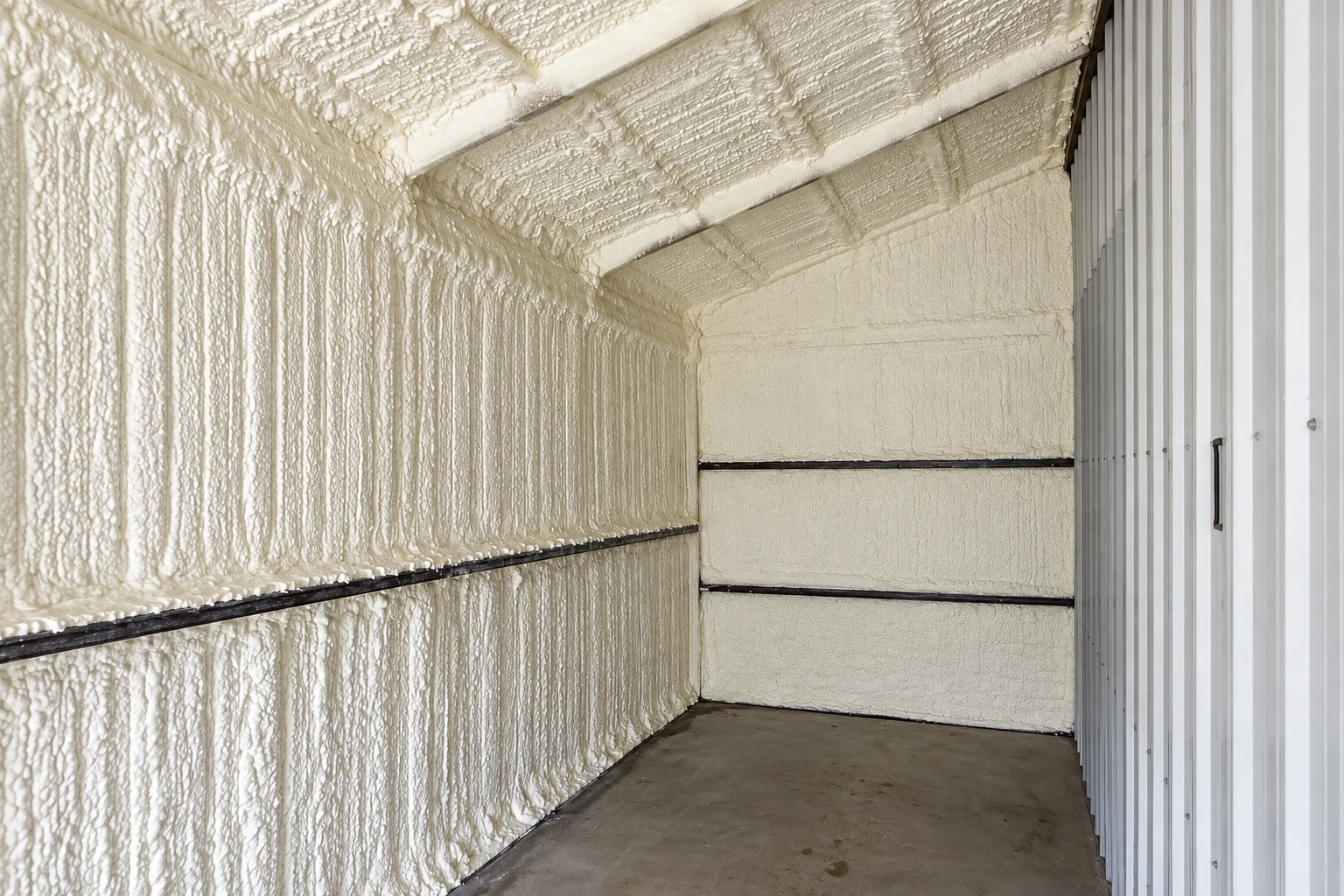
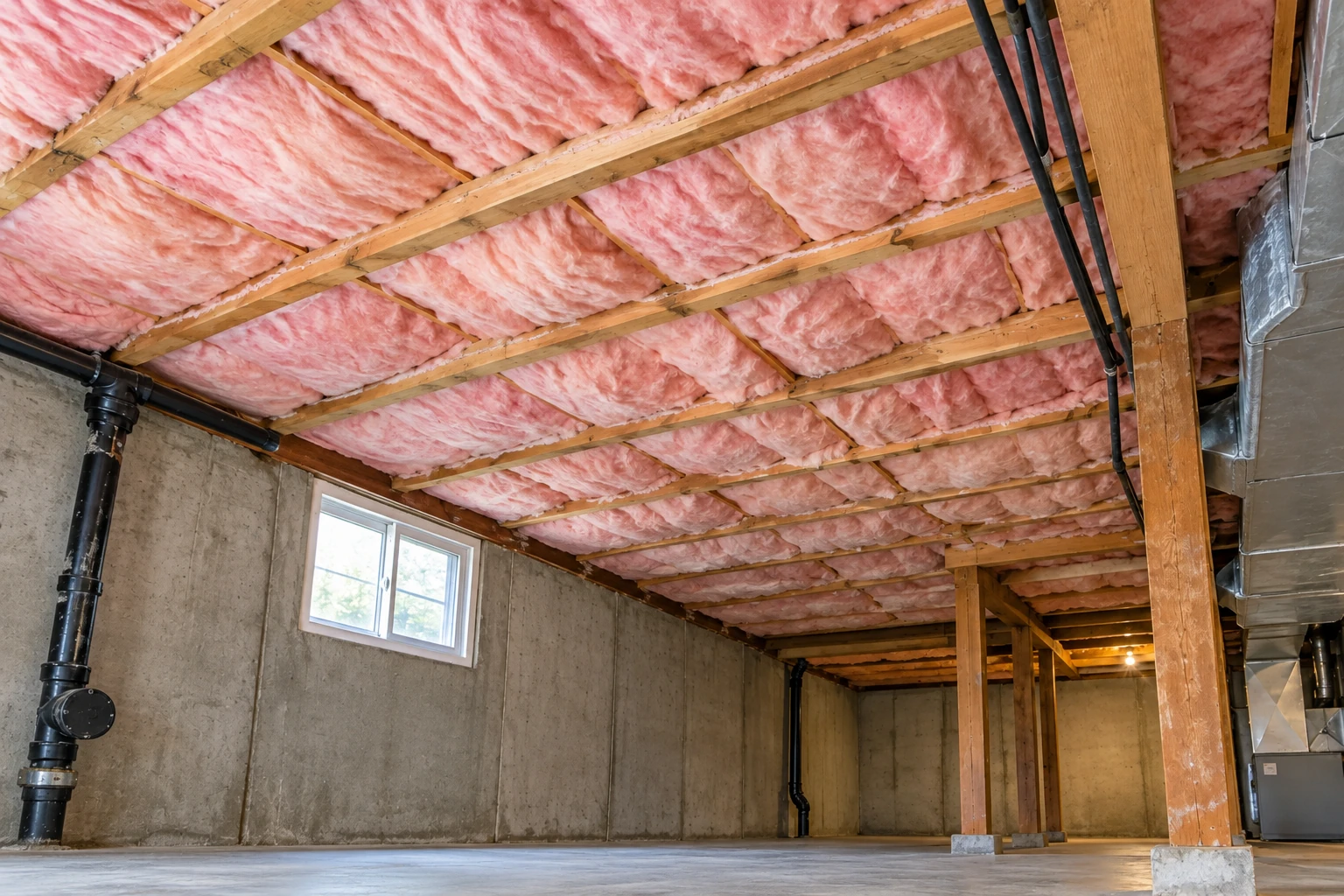
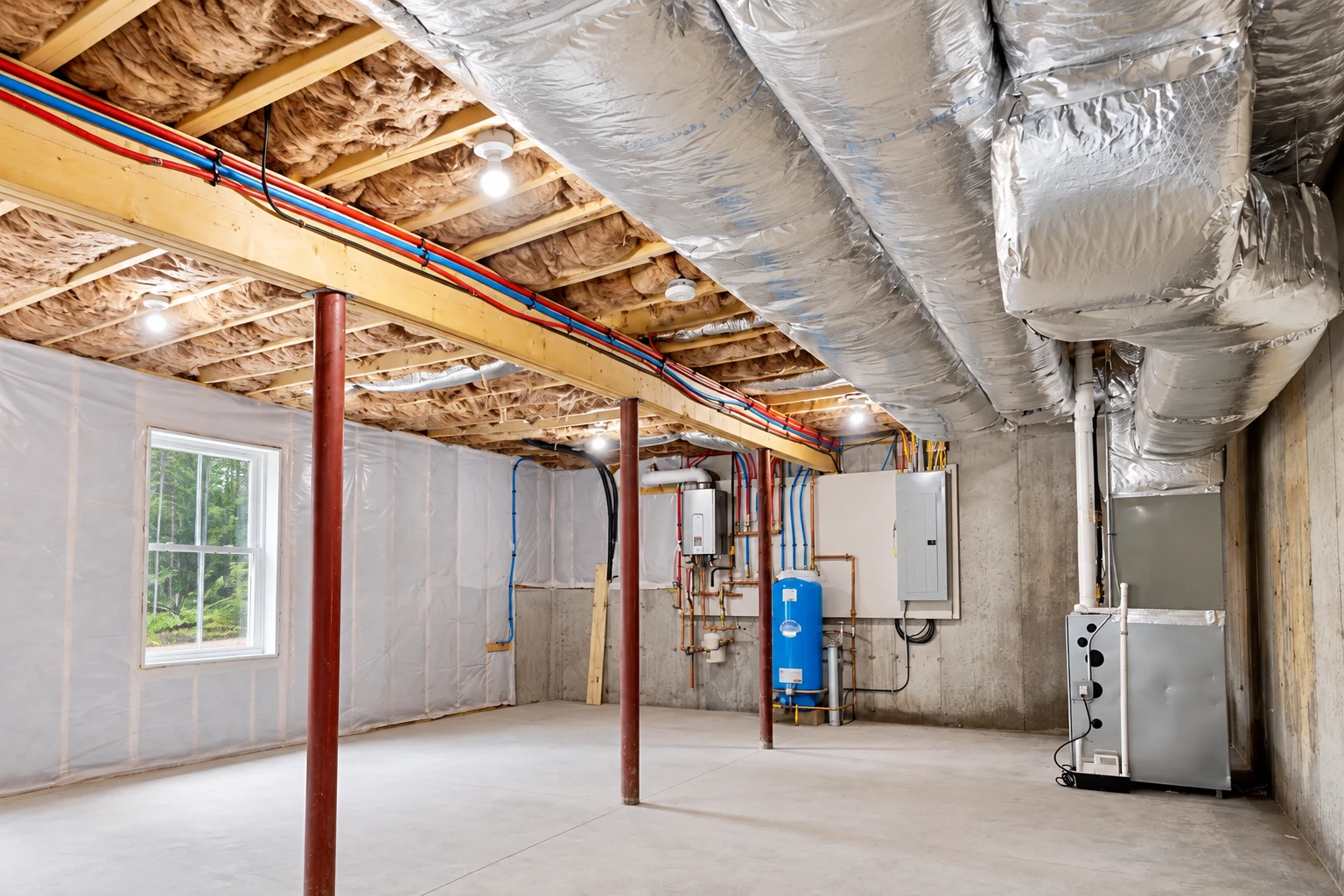
Wall insulation in El Paso TX - every wall cavity filled so rooms stay comfortable
Outside walls that feel hot in summer or cold in winter? We fill the hollow spaces inside them so your rooms stay even.
Book an in-person look at your walls
What's inside your walls decides how we fill them, so call (915) 265-1142 or use the form and I'll come see yours before anyone drills.
How do you insulate the walls of a house that's already built?
Wall insulation in El Paso means filling the empty spaces inside your outside walls so summer heat and winter cold stop coming straight through, and in most finished homes we do it through small holes instead of tearing out drywall.
If a bedroom stays hot long after sunset, or the wall behind your couch feels cold on a winter night, that wall is probably empty or the old fill has slumped down. The price moves with your wall type, how many walls we fill, whether we drill from inside or outside and whether something has to be fixed first, because I won't bury a leak or bad wiring inside a wall. Those same repairs set the schedule, and your written estimate lists each step so you can see where your job stands before we start.
Why El Paso homeowners call Wraptight for wall insulation
I look at every job myself
I've run this business in El Paso since 2023, and I look at every job, write the estimate and check our installers' work before we leave. One person answers for your walls start to finish.
Licensed, insured and written down
We're licensed and insured. I learned this trade on a municipal crew where every job got written up and checked before sign-off, and we run ours the same way.
Permits checked for your address
Rules differ between El Paso, the county areas and New Mexico cities, so I check each address with the right office. Inside city limits that's Planning & Inspections, and when a permit applies we handle it.
On a wall job, what matters most is fixing what's wrong before it gets sealed inside. Tell us about your walls or call (915) 265-1142, and I'll come take a look.
How our wall insulation work goes
Your wall type decides the method, so I start by finding out what's behind the paint or stucco. Framed walls usually get drill and fill, where we bore a small hole into each space between the studs, blow insulation in until that space is full and plug the hole. Block walls get foam in the hollow cores instead. When we work from inside, we cover the floor and close off the room first so the dust stays put, and we clean that room before moving to the next one.
Filled walls still leak air at outlets, pipes and the top plate, so we often pair this job with air sealing services to close those gaps. If your house has a basement, those walls deal with damp soil and need a different plan, which our basement insulation work covers.
Drill and fill for framed walls
This suits most stud-framed homes with finished drywall or stucco, because we fill each space through a small hole. You keep your walls, and the patches are small.
Foam in block cores
This suits block and other masonry homes, where the hollow cores run up through the wall. Foam fills those cores and holds its place where loose fill wouldn't.
Open walls during a remodel
If the drywall is already coming off, we can insulate each space while it's open and in plain sight. It's the easiest time to check every cavity and seal around wiring and pipes.
How can you tell your walls need insulation?
Outside walls feel warm
By afternoon the inside of an outside wall feels warm to your hand. That usually means the space behind it is empty, and the AC keeps running well into the night.
One room never matches
A bedroom on one side runs hotter or colder than the rest of the house. Often its walls were never filled or the old fill settled, and the power bill carries that room every season.
Drafts at outlets
You feel air on your hand at outlet covers along outside walls. Air is moving through the wall, and until it's stopped, it keeps pulling in dust and outside heat.
Street noise comes through
Traffic and neighbors sound close even with the windows shut. Empty walls carry sound easily, and the same empty space lets heat and cold through all year.
What happens after you call about your walls?
Call and set a visit
After you call or send the form, we set a time for me to come out. I check your walls, note anything to fix first and write an estimate listing each step.
Our crew works the list
On the day of the job, our installers work from that written list in order. Anything that had to be fixed first is done before a single wall gets filled.
Walk the finished walls together
I check the work, then walk it with you before we leave. You see the plugged holes, the cleaned rooms and anything we noted along the way.
Wall insulation questions we hear
These are the questions El Paso homeowners ask most about insulating walls. If your house doesn't fit neatly into one of them, call and ask about your own walls.
What is the best way to insulate existing walls without tearing out drywall?
For most framed walls it's drill and fill, where small holes are drilled, insulation is blown into the hollow space and the holes are sealed again, and the Department of Energy calls it a common way to insulate walls in older homes. Blown-in fill can reach odd-shaped spaces and work around pipes and wiring, but it has to go in dense enough that it won't settle and leave empty pockets, so how well it's packed matters as much as what it's made of. Wall spaces that carry heating or cooling air are left empty, as the cellulose industry's practices call for.
How do I insulate block walls in an El Paso home?
Block and other masonry walls take foam in their hollow cores, either filled from the top or pumped through small holes drilled into the block. The cellulose industry advises against using cellulose to fill masonry walls or walls below ground, which is why we use foam for block.
How much does wall insulation cost in El Paso?
There's no single price, because your wall type, the number of walls and any repairs that have to come first all change it, so I price it only after seeing the house. Foam in block cores usually costs more than blown-in fill in framed walls. One caution while you're comparing, the city's Planning & Inspections Department warns that scammers posing as the department ask for a fake "City Compensation Fee," so check with the city before paying anyone who asks for one.
How messy is wall insulation when it's done from inside the house?
There's some dust, but it stays in one room when the job is set up right. The Department of Energy's installer guide calls for protecting the floor and using a containment enclosure when holes are drilled from inside, and that's how we work, with the floor covered and the room closed off. When holes are drilled from outside, the guide calls for plugging and sealing them and repairing the water-shedding layer behind the siding where there is one.
Should I add wall insulation when I replace my siding?
Yes, if new siding is already planned, that's a good time to add a continuous layer of insulation over the outside of the wall. The Department of Energy says it costs only a little more than the siding, the comfort and quieter rooms show up right away, and the energy savings often pay it back in 5 to 10 years.
Is there help paying for wall insulation in El Paso?
Yes, for households that qualify. A.Y.U.D.A. Inc. offers weatherization that includes wall insulation for households at or under 80% of Annual Medium Family Income. When you apply, bring proof that you own the home or a signed lease, proof that you live there and proof of income.
Get a written wall insulation estimate
Tell us your wall type, roughly how old the house is and whether new siding is coming, and we'll reply within one business day to set a time. The estimate is free, on site and comes with no obligation.
Examples of wall insulation work
Work that often goes with walls
Air sealing services
If you still feel air at outlets and trim after the walls are filled, sealing those openings stops the draft that's working against your new insulation.
Learn moreBasement insulation
A basement wall sits against the ground, so it needs its own plan for moisture before it can hold heat in.
Learn more