
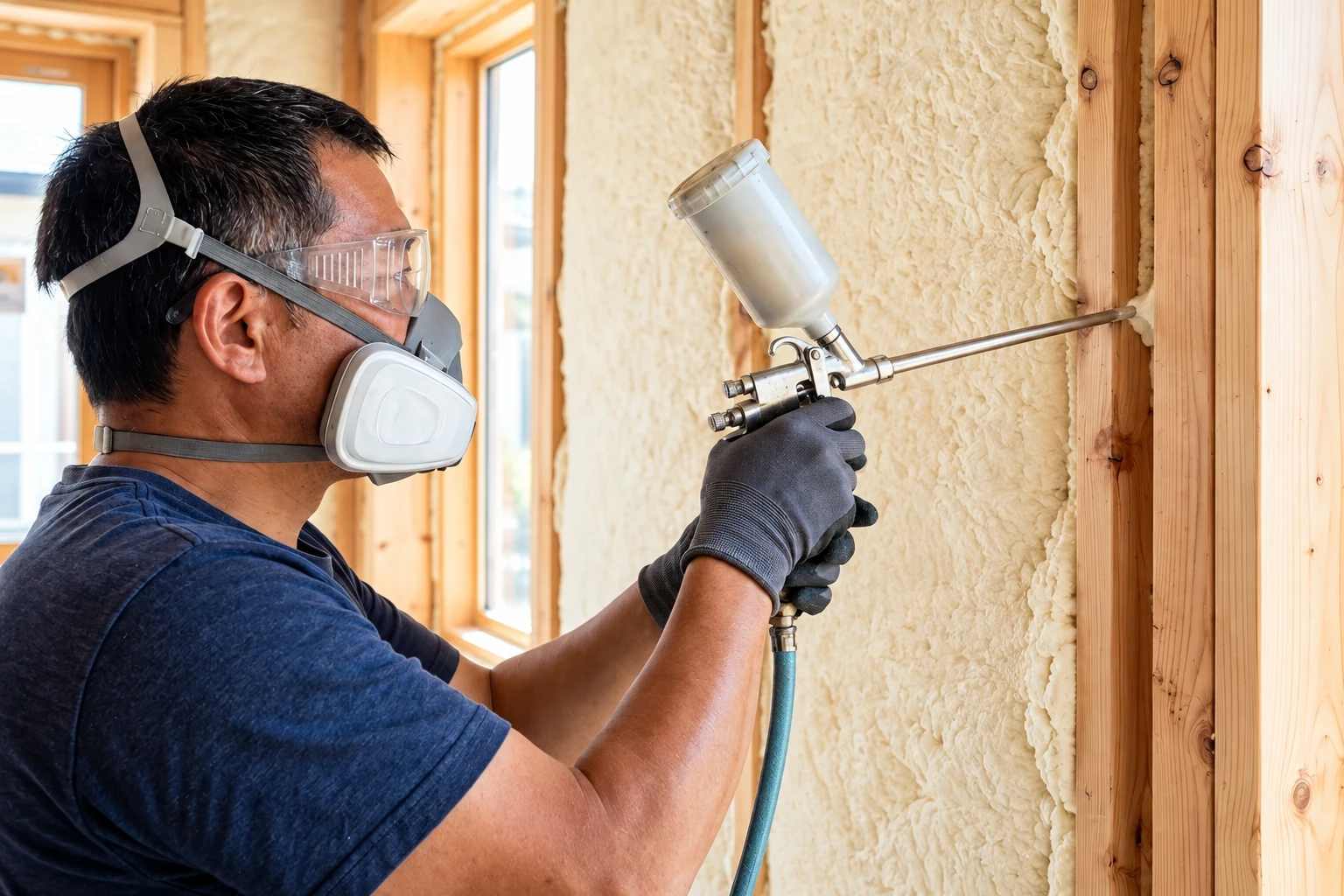
Basement insulation in El Paso TX - dry walls first, then warmer floors upstairs
Cold floors over a damp, chilly basement? We sort out the moisture first, then insulate the walls or ceiling to fit how you use it.
Get your basement walls checked for moisture
Call (915) 265-1142 before you buy any materials, because a damp wall changes what can safely go on it.
What does basement insulation involve in El Paso?
Basement insulation in El Paso adds insulation to your home's existing foundation walls or, in some houses, to the basement ceiling, so the floors upstairs stay warmer and the basement stops pulling heat out of the house.
Most people call us because the floor over the basement is cold or the room downstairs never feels right, and anything letting water into that wall has to be fixed before insulation covers it. The price moves with how much wall or ceiling we cover, the material we use and the repairs that come first. The schedule mostly turns on those repairs and on whether a permit applies. Your written estimate lists each step, so you can see what your job involves before you decide.
Why El Paso homeowners call Wraptight for basement insulation
I write every estimate myself
I've come out to look at every job myself since we started in 2023, and I check the installers' work before we leave. The person who found the problem signs off on the fix.
Licensed, insured and city-crew trained
Wraptight is licensed and insured. I learned the trade on a municipal crew where every job was written up and checked, which is why your estimate lists each step in writing.
Permit rules checked by address
We work in El Paso and the cities around it on both sides of the state line, where the rules differ. I check your job address with the right office, so you know where the permit question stands.
On a basement, what matters most is a dry wall before anything covers it. Book a visit or call (915) 265-1142 and tell me how you want to use the space.
How we handle basement insulation, step by step
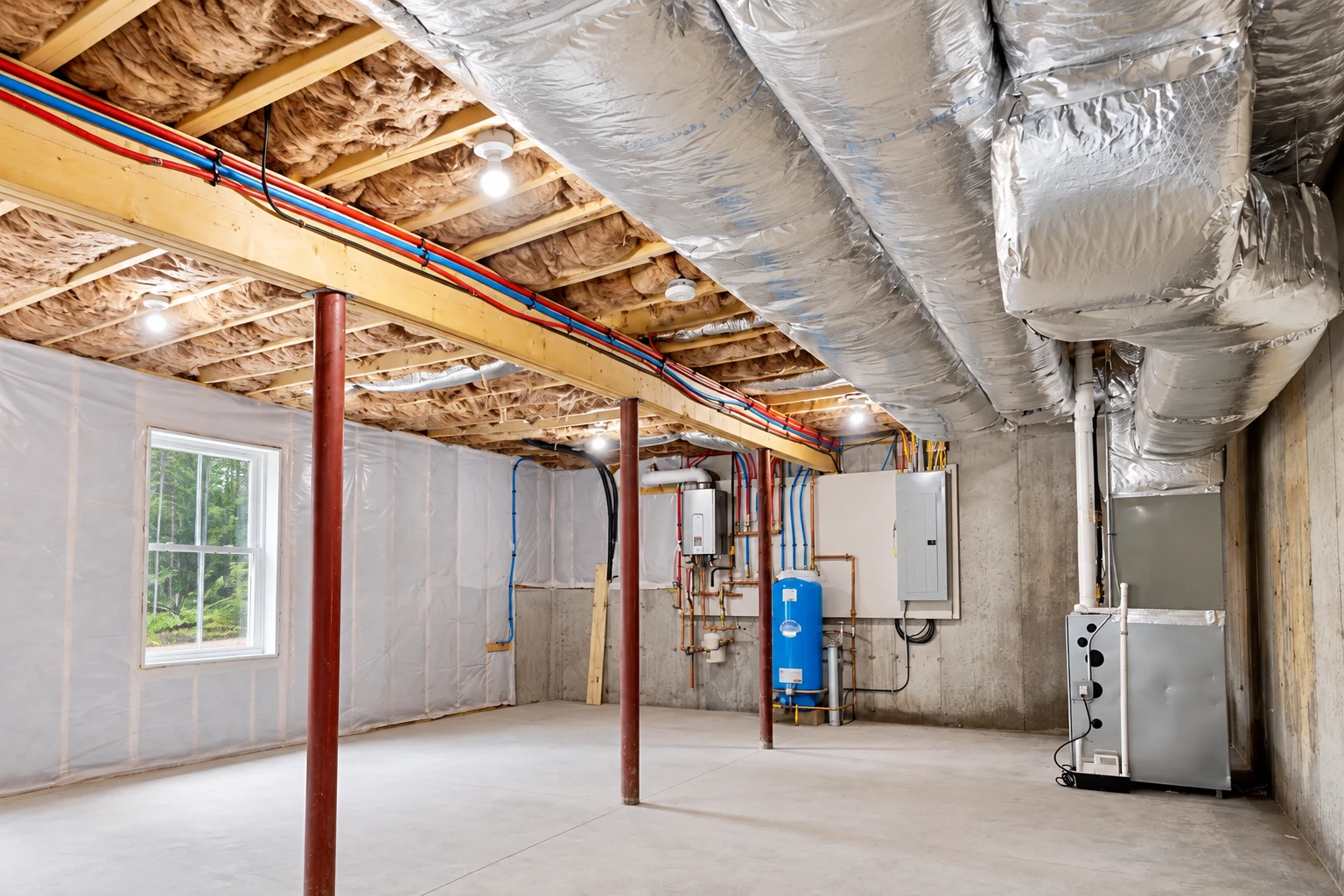
I start by finding where moisture is getting in, because we won't insulate a wall that's taking on water, and insulation over a leak only hides it. If the fix belongs to a plumber or another trade, I'll tell you so and the job waits until it's done. After that, how you plan to use the space decides whether we work on the walls or the ceiling. On the walls, our crew air-seals and insulates the rim joists, the band of framing where the house sits on the foundation, and then foams the concrete. Foam on a basement wall usually needs a fire barrier over it, which drywall usually provides, so we plan that covering from the start and check the building code for your address.
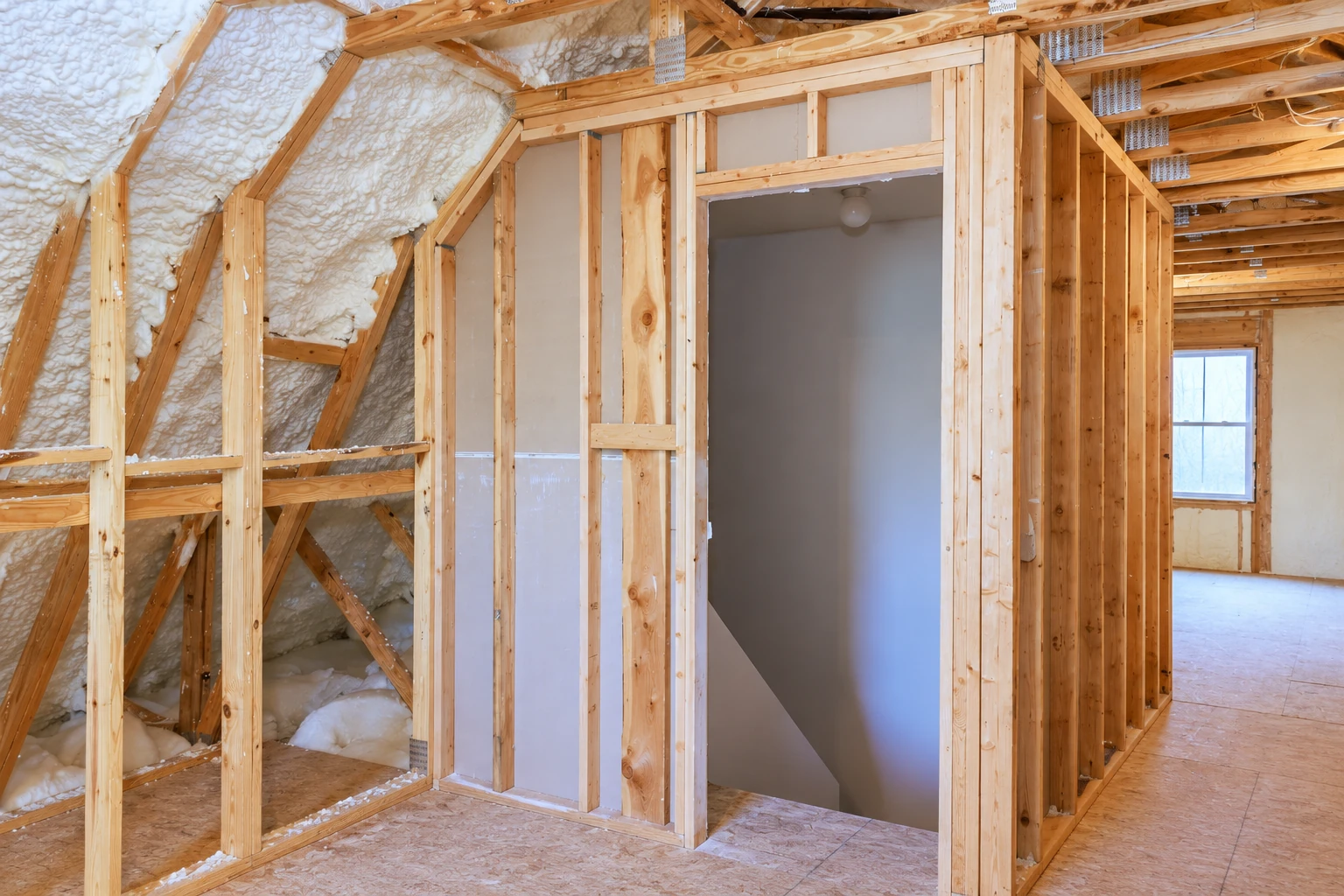
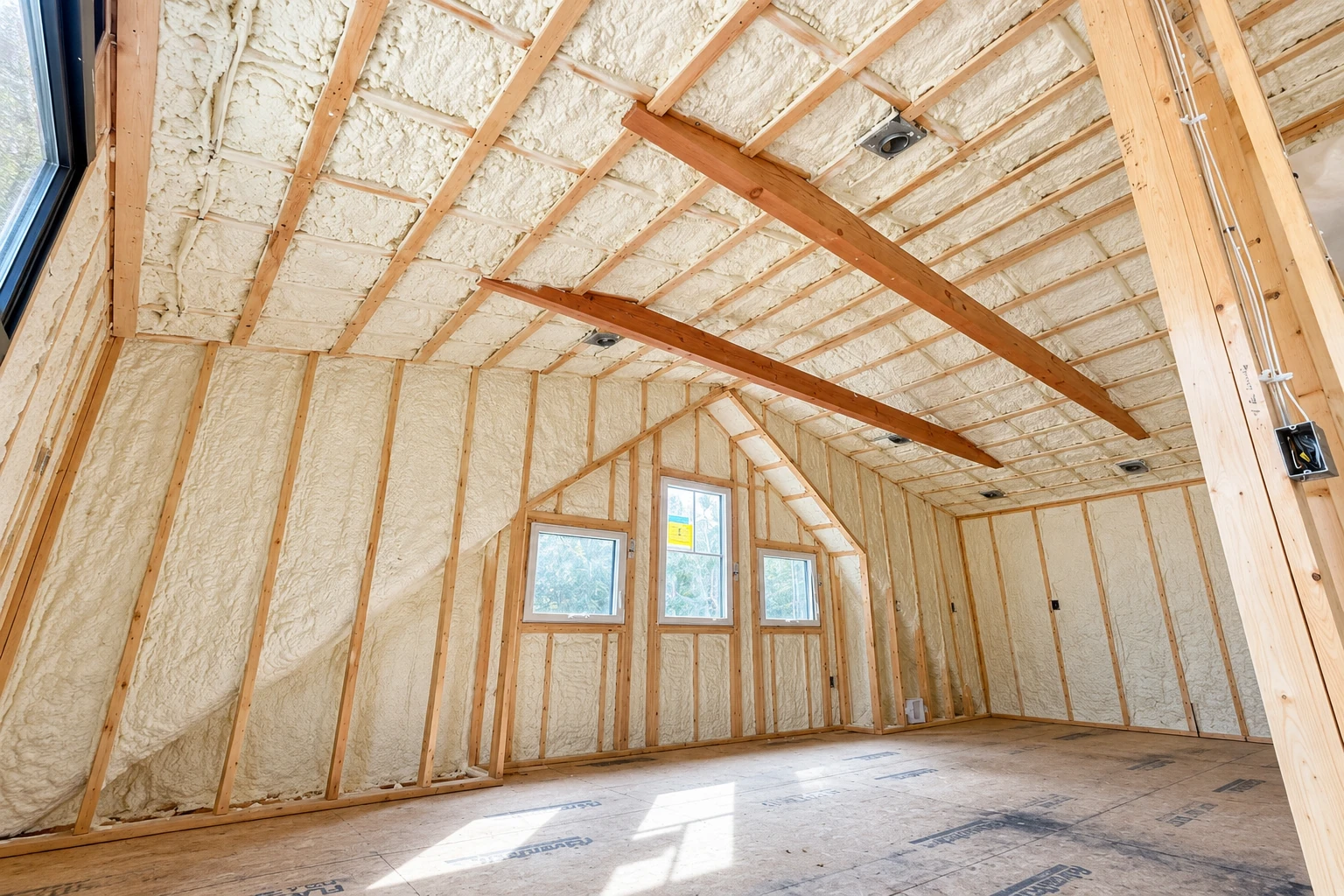
On the concrete walls we usually reach for closed-cell foam insulation, a dense foam that holds up against damp concrete and seals air as it goes on. Open-cell foam insulation is softer and costs less, and it usually fits better overhead or in framed walls than right against the foundation.
Foam on the foundation walls
This suits a basement you plan to use as a room, a workshop or anywhere you want comfortable, because it insulates the walls that touch the ground and seals air at the same time.
Insulation in the basement ceiling
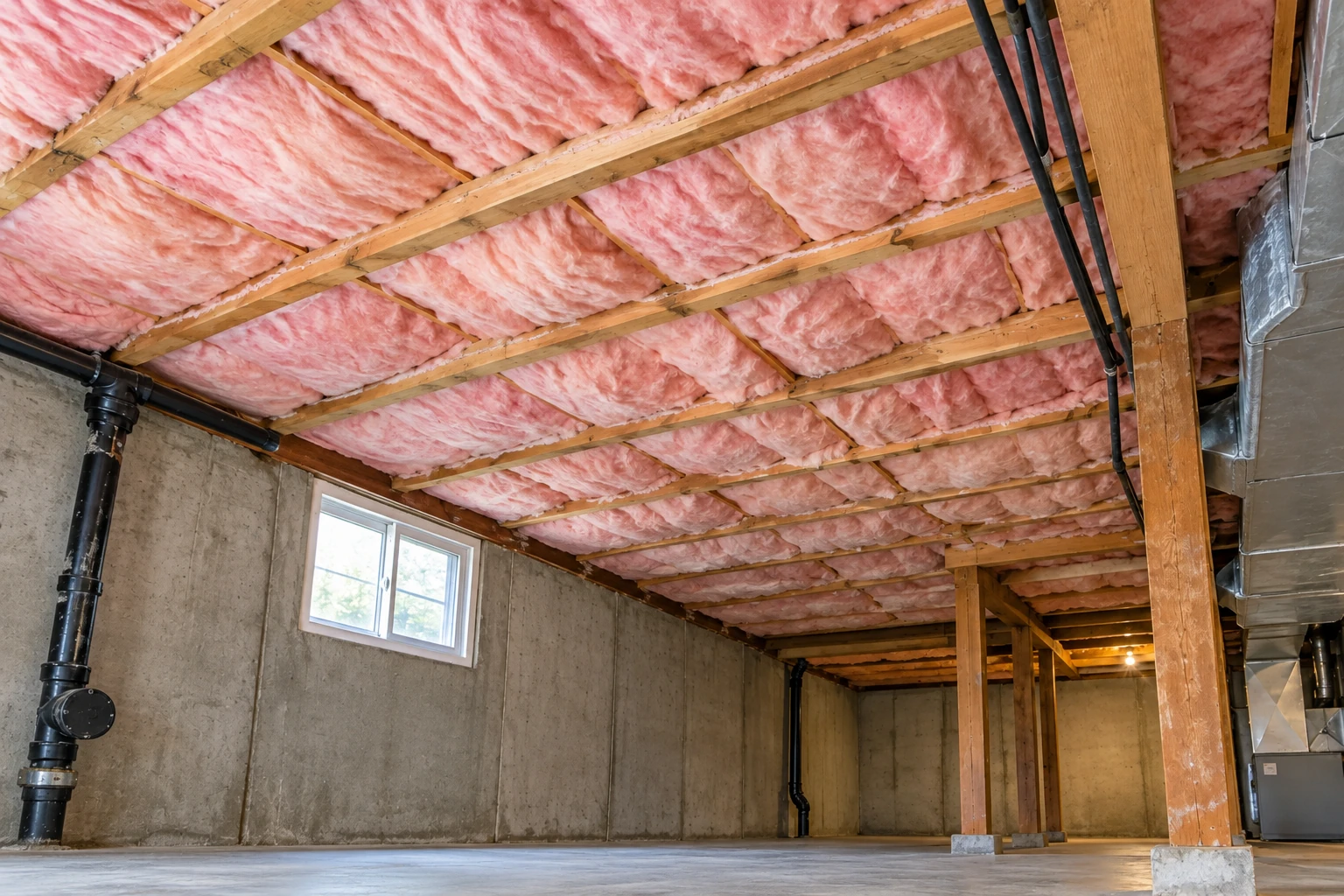
This suits a basement that's only storage or mechanical space, because it keeps the floor above warmer without heating the basement itself. It leaves the basement on the cold side, so it's a poor fit if you might finish it later.
How can you tell your basement needs insulation?
Cold floors upstairs
The floor over the basement stays cold in winter even with the heat running. Usually the basement walls or rim joists are bare, and you keep paying to heat the ground.
A musty smell downstairs
A damp, stale smell in the basement usually means moisture is getting into the walls or the air. Insulating over it traps the problem, so it has to be found first.
White crust on the concrete
Chalky white powder on the foundation wall is left behind when water moves through concrete and dries. It means the wall is taking on water, and that gets fixed before anything covers it.
Drafts along the top edge
Cold air near the top of the basement wall, where the house sits on the foundation, usually comes through the rim joist. Left open, it chills the room no matter what's on the walls.
What happens after you call about your basement?
Call and book my visit
Call or use the form and we set a time for me to come look. I go through the basement, note any repairs needed first and write an itemized estimate.
Our crew works the list
Once any moisture repair is done, our installers work from the written list on your estimate, one step at a time. Nothing goes on a wall that's still taking on water.
Walk the finished work together
I check the installers' work and walk the finished basement with you before we leave. That's your chance to look at the walls, ceiling and rim joists and ask about anything.
Basement insulation questions
Here's what El Paso homeowners ask most about insulating a basement. If your basement has something these answers don't cover, call or send the form and ask about your own job.
Should I insulate my basement walls or the basement ceiling?
Insulate the walls if you plan to use the basement as living space. Federal guidance says the ceiling is only the right place when the home is in a dry climate and the basement won't be lived in, and anyone planning a living space leaves the ceiling out of the plan. Tell me how you plan to use it and I'll write the estimate around that.
What is the best way to insulate basement walls in El Paso?
Foam-based insulation is usually the best choice for basement walls, according to one building science guide, as long as the wall can still dry toward the inside of the room. If fiberglass batts go on a framed wall instead, plastic sheeting or foil-faced boards on the room side can trap moisture in the wall, so energy guidance points to kraft-faced batts or latex paint on the drywall as the moisture layer.
How do I get my basement ready for insulation?
Have the foundation wall inspected and any water coming in or moisture problem fixed before the insulation work starts, which is what the guidance calls for. Plan time and money for those repairs ahead of the insulation itself. If the repair belongs to another trade, I'll tell you, and we'd rather wait than cover it up.
How much does basement insulation cost in El Paso?
Your cost comes down to how much wall or ceiling we cover, which material goes on and what has to be repaired before we start. Foam costs more than batts or loose fill but seals air while it insulates, and foam walls need the drywall covering described above. I'll give you a written estimate with each step listed after I look at your basement.
Can you insulate basement walls from the outside?
You can, but outside insulation is meant for homes without a termite problem, and it needs careful protection from moisture while it goes in. If you're weighing it, tell me about any termite history at the house first, because that decides whether it's an option.
Where do I get a building permit in El Paso for basement work?
Building permits in El Paso start at the city's One Stop Shop, and the city requires a permit to construct, alter or repair a building or structure. When a permit applies to your job, we take care of the application and the inspections. The city also has an energy conservation code, so ask me how the planned insulation meets it.
Get a written basement insulation estimate
Tell us how you plan to use the basement and any water or dampness you've seen down there. We reply within one business day to set a free on-site estimate, with no obligation.
What basement insulation looks like
Foam options for your basement
Closed-cell foam insulation
If you want to turn the basement into a finished room, this dense foam is the usual pick for the concrete walls.
Learn moreOpen-cell foam insulation
For a basement ceiling or framed walls, this softer foam insulates and quiets sound for less money.
Learn more